I Bought These Books for Their Covers — and I Have No Regrets
There are quite a few books I have bought even though I knew absolutely nothing about their contents.
The illustration looked nice.
The cover looked nice.
And before I knew it, I had bought the book.
I always tell myself I should stop making those kinds of impulse purchases, but the other day, I once again bought some paperback books simply because I was drawn to their covers. So today, I would like to introduce them.
After work, I had some time before my train arrived, so I stopped by a bookstore in Aomori City.
There, I fell in love with the covers at first sight and ended up buying about six paperback books.
In Japanese, we call this jake-gai — buying something because of its jacket or cover.
I usually try not to buy too many paperbacks, because unless I really love them, I often read them once and then leave them sitting on the shelf.
And yet…
The covers were so attractive that I bought them anyway.
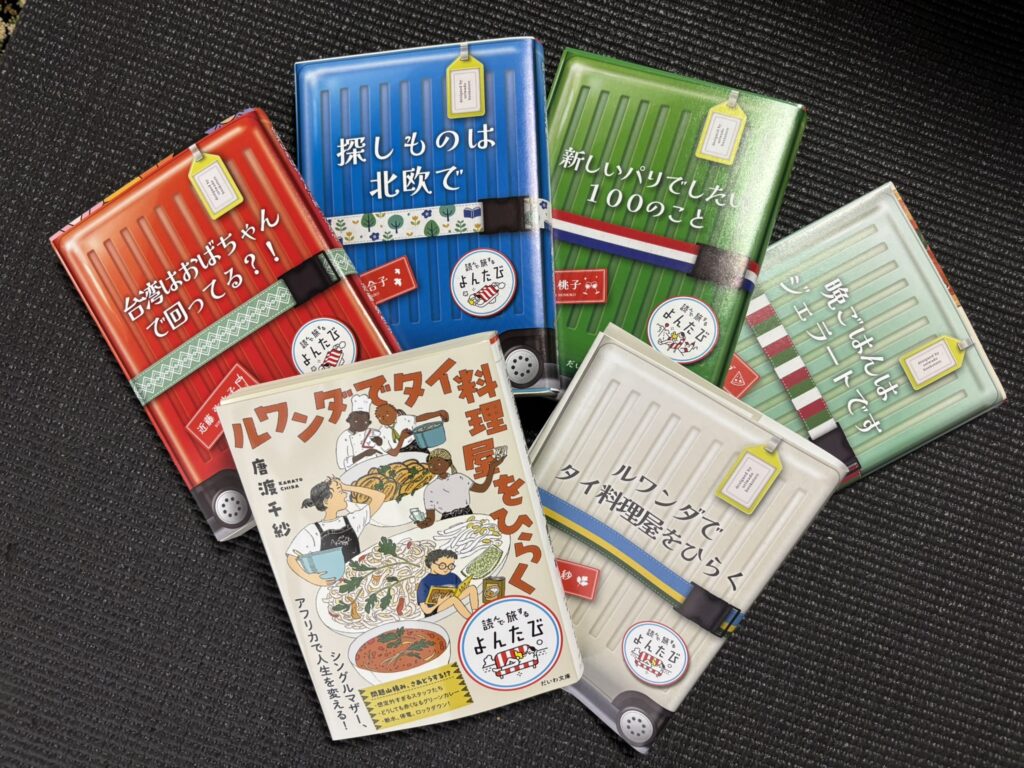
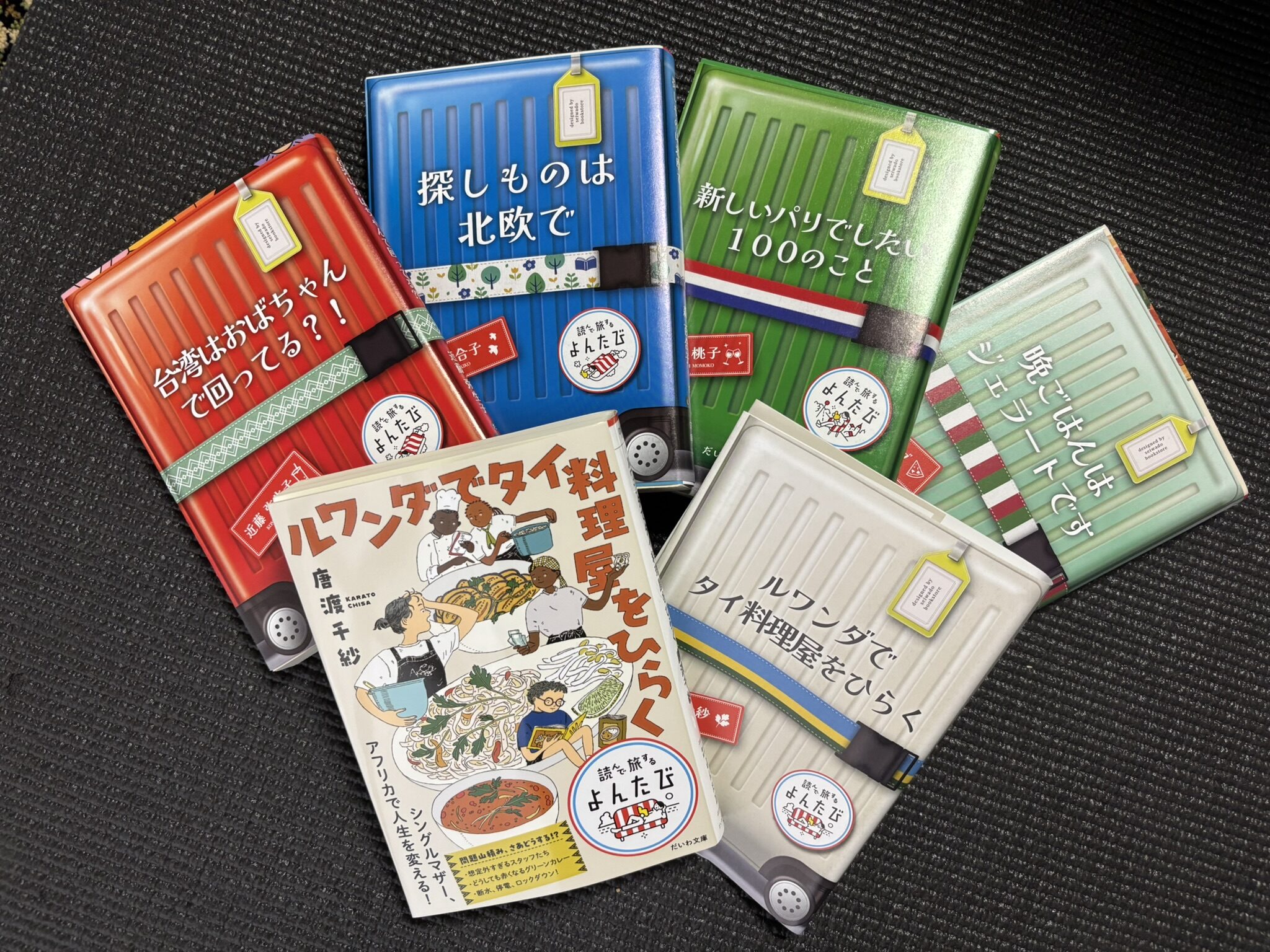
Please look at how cute these are!
The concept of these paperback books is “travel by reading.”
This series is made up of essays written by various Japanese people about their everyday lives overseas.
Just as the concept suggests, the covers are designed like colorful suitcases.
That alone is already cute enough, but each book also has a suitcase band that matches the image of the country it is about.
With the yen being so weak these days, traveling abroad feels a little harder for many Japanese people. In that kind of situation, this design and concept feel perfect for letting your thoughts travel overseas instead.
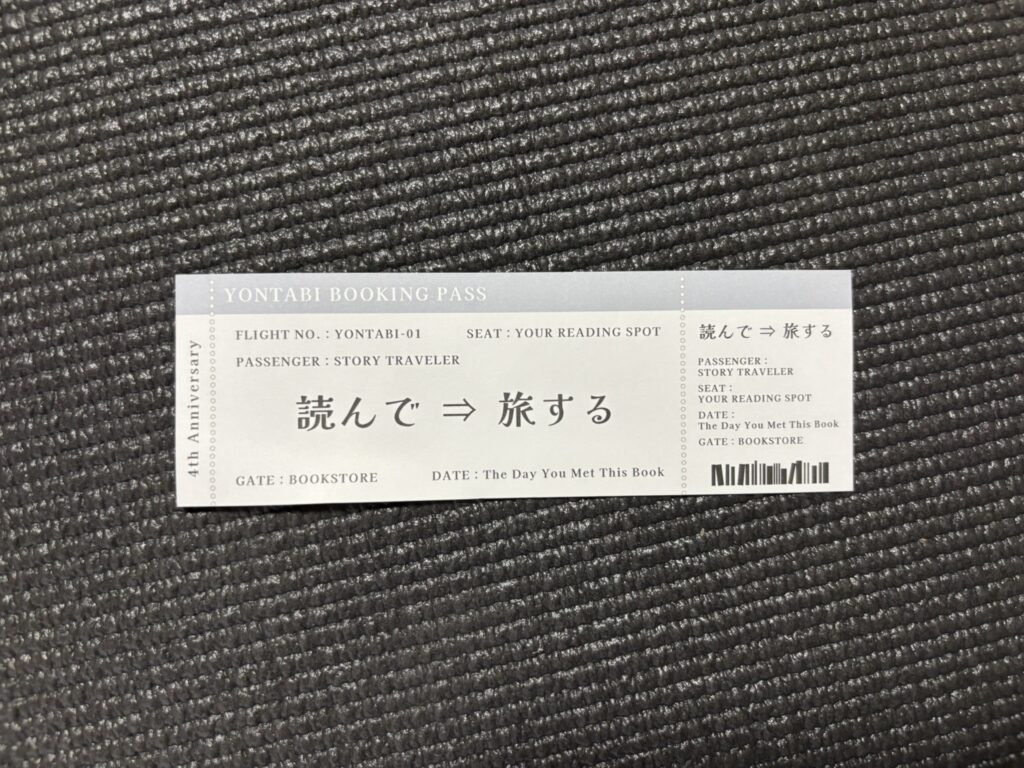
And then there is the bookmark.
This is also different from the usual version. It is shaped like a ticket, which makes you feel that little thrill of setting off on a journey.
On top of that, these are limited-time covers.
Apparently, once this period is over, you will not be able to find these designs again.
So I bought them.
I bought them…
The books are not about one single theme, and each country is different.
For example, there is a story about someone who opened a Thai restaurant in Rwanda, an essay about a woman living in Taiwan and introducing Taiwanese culture through her experiences of childbirth and remarriage, and a collection of essays about Italian food and history, with both writing and manga, that makes you hungry just by reading it.
And there are many more.
Even though they are all part of the same paperback series, the amount of text on each page is different, and some books include manga-style sections. Each author’s personality comes through, and I like that too.
Even without these limited-time suitcase covers, the regular covers are also drawn in styles that match the contents of each book — some are cute and illustration-like, while others have fewer people on the cover and leave more room for imagination.
I have been to Australia before, and while I was there, I bought several books and manga as souvenirs.
Whenever I think about things like this, I feel that Japanese books are very carefully made. Each book has decorations and illustrations that suit its contents. The fonts differ depending on the publisher, and even the paper texture can feel different.
I once heard somewhere — so I am not sure how accurate this is — that books in Australia, or maybe English-speaking countries in general, sometimes have covers made with thick paper so that readers can easily cut or change them however they like.
I have also seen videos on YouTube where people paint pictures on the edges of books, freely expressing the book in their own way.
Compared with that, Japanese books feel to me as if each one is created as a complete world, including the vision of the publisher and designer.
Even from a single book, you can feel cultural differences in how people approach books. I find that very interesting.
Now that we have the internet, we can easily look up landscapes and scenes from all over the world with just one finger.
But I also think there is joy in imagining things for yourself.
Sometimes, experiencing something is far more interesting than simply knowing it as information.
So, while reading these paperbacks, I want to enjoy my own imagined version of places like Rwanda for a little while, without looking up all the answers right away.
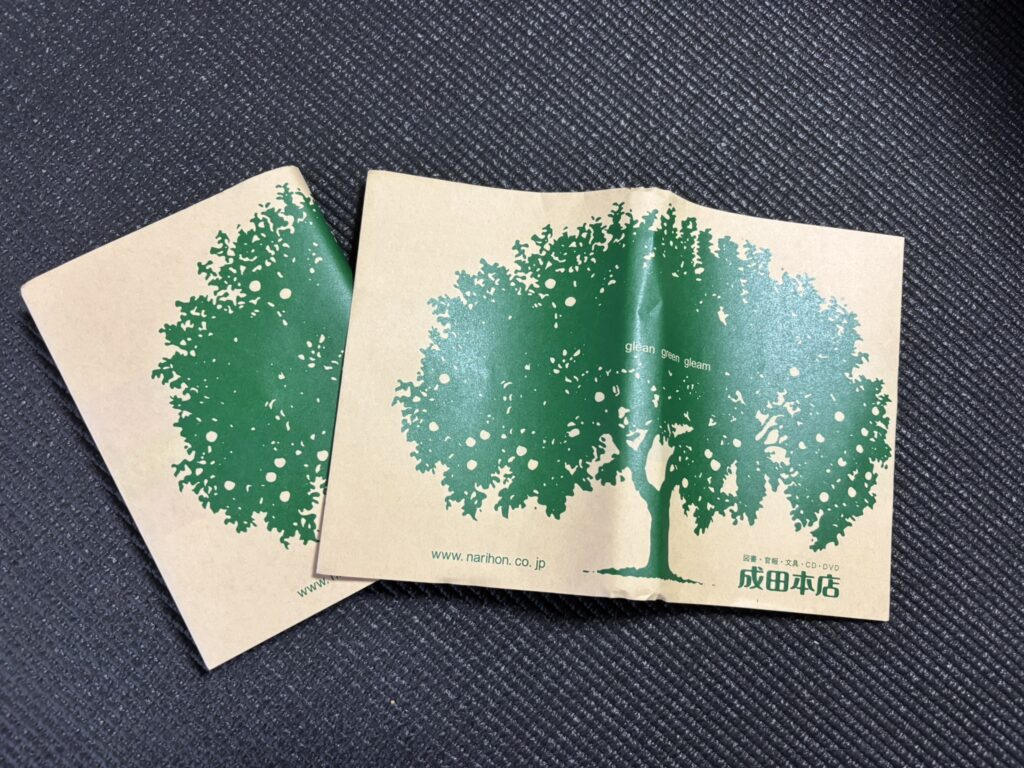
By the way, I bought these books at Narita Honten, a bookstore in Aomori City.
When you buy a book there, they put on a Narita Honten original book cover.
It is a local bookstore headquartered in Aomori Prefecture, and it is also a good place to find books related to Aomori.
If you enjoy stopping by bookstores while traveling, I think it would be fun to take a look while walking around the area near Aomori Station.